Best Seasonal Restaurant Menu Ideas: Boost Your Revenue Year-Round
Standing out in the crowded US restaurant scene takes more than friendly service and a clean dining room. It requires a menu that feels alive and constantly evolves. Introducing some of the best seasonal restaurant menu ideas in United States dining is one of the smartest ways to capture guest interest, lower your food costs, and keep your kitchen staff motivated. Today’s diners want to see fresh, locally sourced ingredients that reflect what is actually growing outside.
Aligning your kitchen with the natural harvest cycle lets you ride seasonal dining trends to build a more profitable brand. Whether you run a neighborhood pasta joint or a busy downtown bistro, managing these menu transitions smoothly is key to keeping your tables full year-round.
Why US Diners Crave Seasonal Restaurant Menus
Dining habits across the country have shifted toward transparency, sustainability, and real flavor. Guests are tired of static, year-round menus that rely on woody, out-of-season tomatoes or frozen, pre-packaged greens shipped from thousands of miles away. They want a connection to their food. They want to know where their dinner came from and enjoy ingredients at their absolute peak.
Highlighting limited-time, harvest-specific dishes creates natural urgency. When a guest knows your heirloom tomato panzanella or roasted squash soup is only available for a few weeks, they book a table sooner. Integrating a farm to table menu design also positions your restaurant as a true community partner that supports local growers.
Fresh & Vibrant Spring Menu Ideas
Spring is the perfect time to shake off the heavy, rich winter comfort foods and pivot to bright, clean flavors. Diners are eager for crisp greens, sharp herbs, and tender vegetables. This is when your kitchen should highlight wild ramps, sweet English peas, radishes, baby carrots, and asparagus.
Spring Menu Highlights & Ideas:
- Chilled Asparagus & Wild Ramp Soup: A velvety, vibrant green puree finished with fresh lemon zest, micro-arugula, and a drizzle of cold-pressed olive oil. (Vegetarian, Gluten-Free)
- Spring Pea & Mint Risotto: Creamy Arborio rice cooked with a light vegetable stock, folded with sweet English peas, fresh mint, and shaved Parmigiano-Reggiano. (Vegetarian, Gluten-Free)
- Pan-Seared Wild Halibut: Served over a light broth of baby carrots, fava beans, and a delicate white wine butter sauce.
Price Guidance: Keep spring starters in the $14 to $18 range. Price fresh seafood and handmade pasta entrees between $28 and $42 depending on your market and ingredient sourcing.
Sizzling Summer Menu Specials & Cocktails
Summer dining is defined by outdoor patios, wood-fired grilling, and naturally sweet, sun-ripened produce. Keep your kitchen prep light and let the raw quality of the ingredients do the heavy lifting. Lean heavily on stone fruits, sweet corn, berries, and heirloom tomatoes.
Popular Summer Menu Items:
- Heirloom Tomato & Burrata Salad: Thick-cut multi-colored heirloom tomatoes, creamy burrata, fresh basil leaves, aged balsamic reduction, and flaky sea salt. (Best seller, Vegetarian)
- Grilled Peach & Prosciutto Flatbread: Charred local peaches, salty prosciutto di Parma, wild arugula, and crumbled goat cheese on a house-made sourdough crust.
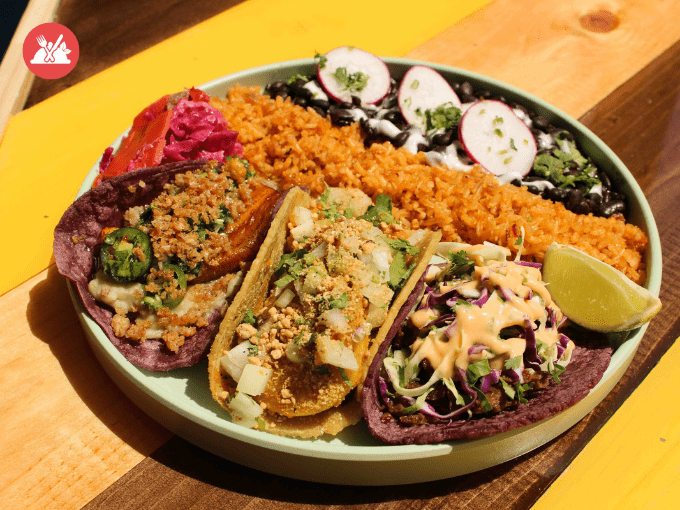
- Blackened Mahi-Mahi Tacos: Served on warm corn tortillas with a bright mango-jalapeño salsa and lime-infused crema. (Medium spice)
Don’t overlook your bar program. Summer is prime time for high-margin cocktails. Try adding a Watermelon Basil Mezcal Smash or a Cucumber-Lavender Gin & Tonic to boost your beverage sales.
Warm & Cozy Fall Harvest Menu Concepts
When the autumn chill sets in, diners naturally look for comfort, warmth, and deeper, earthier flavors. This is the season to highlight root vegetables, winter squashes, apples, pears, and slow-cooked meats spiced with sage, rosemary, nutmeg, and cinnamon.
Must-Have Fall Dishes:
- Roasted Butternut Squash Soup: Spiced with ginger and nutmeg, garnished with toasted pumpkin seeds and a swirl of maple cream. (Vegetarian, Gluten-Free)
- Cider-Braised Pork Belly: Melt-in-your-mouth pork belly served over a silky parsnip purée and finished with a caramelized apple reduction.
- Wild Mushroom & Truffle Gnocchi: Pillowy, house-made potato gnocchi tossed with sautéed chanterelle mushrooms, fresh thyme, and a touch of white truffle oil. (Vegetarian, Rich and savory)
Staff Training & Upselling Tip: Train your front-of-house staff to suggest pairings like local dry hard ciders or medium-bodied Pinot Noirs to complement these rich, earthy dishes.
Rich & Hearty Winter Comfort Food Ideas
Cold-weather menus should feature slow-cooked, hearty comfort foods that warm guests up instantly. However, to keep your winter menu from feeling too heavy or monotonous, balance rich proteins with bright, acidic citrus fruits like blood orange, grapefruit, and Meyer lemon.
Cozy Winter Menu Highlights:
- 12-Hour Braised Beef Short Ribs: Slow-cooked in a rich red wine reduction, served over creamy, buttery polenta and roasted root vegetables.
- Blood Orange & Fennel Salad: Shaved fennel, juicy blood orange segments, kalamata olives, and a light citrus-shallot dressing. (Vegetarian, Gluten-Free – a perfect palate cleanser)
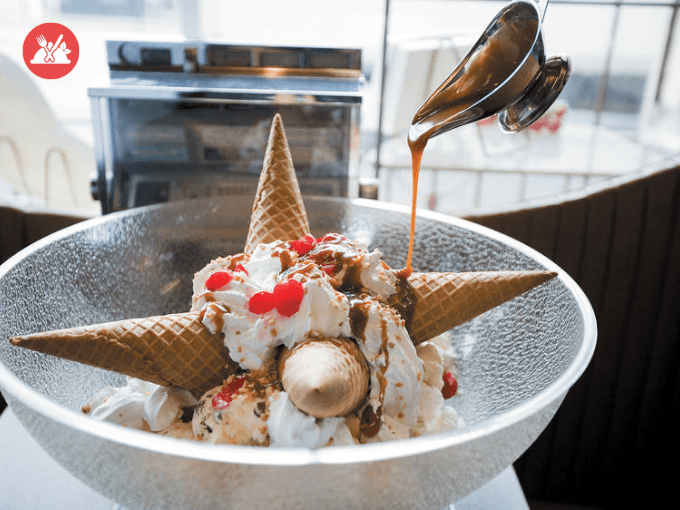
- Cast-Iron Skillet Bread Pudding: Warm, spiced brioche bread pudding with dark chocolate chunks, topped with a hot bourbon caramel sauce.
Menu Engineering: Pricing Your Seasonal Items for Maximum Profit
Understanding how to calculate restaurant food cost percentage is especially critical when running a seasonal program. Sourcing ingredients during their peak local harvest season is often cheaper and yields higher quality than buying out-of-season imports. However, because their availability windows are short, you must watch for sudden market price shifts.
To protect your margins, use proven menu engineering secrets:
| Menu Item Type | Target Food Cost % | Pricing Strategy | Menu Placement |
|---|---|---|---|
| High-Volume Seasonal Starters (e.g., Soups, Salads) | 15% – 22% | Price moderately to encourage add-on sales. | Top-left corner of the menu. |
| Premium Seasonal Mains (e.g., Halibut, Short Ribs) | 28% – 32% | Price based on market fluctuations; highlight premium sourcing. | Center of the entree section with visual accents. |
| Seasonal Cocktails & Mocktails | 10% – 15% | High markup; use fresh fruit purées and house infusions. | Separate beverage insert or top of the menu page. |
How to Promote Your Seasonal Menu on Social Media
An exceptional seasonal menu won’t boost your bottom line if your guests don’t know it exists. Successful seasonal marketing relies on visual storytelling. Before launching your new menu, host a quick photoshoot during prep to capture bright, high-quality photos of the new dishes.
Use these effective restaurant marketing ideas to build anticipation:
- Instagram Reels & TikToks: Post behind-the-scenes videos of your kitchen team prepping fresh ingredients, plating the final dishes, or mixing seasonal drinks.
- Targeted Email Newsletters: Send a dedicated update to your loyal VIP list offering them exclusive early access to reserve a table for the new menu launch.
- Local Press & Influencer Previews: Invite local food writers, bloggers, and neighborhood influencers to a preview tasting to generate buzz.
Frequently Asked Questions (FAQs)
How often should a restaurant change its seasonal menu?
Most restaurants update their menus four times a year to match the primary seasons (Spring, Summer, Fall, and Winter). However, hyper-seasonal or farm-to-table concepts might adjust their offerings monthly or even weekly depending on what their local farmers are harvesting.
Do seasonal menus reduce food costs?
Yes. Sourcing produce and proteins during their peak local harvest season is generally much cheaper than purchasing out-of-season, imported goods. It also reduces shipping times, meaning your ingredients stay fresher longer, which directly cuts down on kitchen waste.
How do you handle menu printing for seasonal updates?
To avoid high printing costs, you can use digital QR code menus, print a dedicated single-page “Seasonal Features” insert to slip into your permanent menu covers, or showcase daily and seasonal specials on a prominent dining room chalkboard.
Preparing for Your Next Seasonal Menu Rollout
Transitioning to a rotating seasonal menu requires some upfront planning, but the payoff is worth the effort. By serving fresh, time-sensitive dishes, you satisfy the growing consumer demand for quality, lower your average food costs, and give your marketing team a constant stream of fresh stories to tell. Start small by introducing just two or three seasonal specials next week, and see how your guests respond to the fresh flavors.
Restaurant Planning Notes
This guide is designed to help readers compare Best Seasonal Ideas in Boost Your Revenue Year-Round with clearer visit planning, menu context, and practical ordering checks. Restaurant details can change quickly, so the final booking, menu, hours, and price details should always be confirmed through a current official source before visiting.
How to Use This Guide
Use this page as a starting point before you travel, book, or place an order. First, decide whether Best Seasonal Ideas fits the occasion: a quick meal, a casual catch-up, a family dinner, a date night, takeaway, or a more planned restaurant visit. Second, compare the likely menu style with what your group actually wants. Third, confirm the live details that can change: opening hours, booking rules, menu availability, prices, service fees, dietary handling, and delivery coverage.
This matters because restaurant pages become outdated quickly. A static page can still help when it explains how to think about the menu, what to verify, and how to avoid common ordering mistakes. Treat this guide as an editorial checklist, then use the restaurant’s official website, booking page, social profile, or current delivery listing for final confirmation.
Practical Menu Notes
Best Seasonal Ideas is best approached as a restaurant dining option. Readers should look for mains, shareable plates, drinks, desserts, and visit-specific menu choices. If the current menu is long, avoid choosing only by the first dish name you recognise. A better method is to compare the main categories, then choose one anchor item, one supporting item, and one side or drink that balances the meal.
For first-time visitors, start with the dish category the restaurant is most clearly known for, then add one balancing side. For groups, order across categories instead of choosing several similar dishes. That gives everyone a better sense of the restaurant and usually makes the meal easier to share. If you are ordering takeaway or delivery, choose items that travel well and keep sauces, toppings, or delicate sides separate where possible.
Real-World Visit Checks
- Check current hours: restaurant trading times can change by season, staffing, holidays, and private events.
- Check booking rules: popular venues may need reservations, deposits, seating limits, or cancellation notice.
- Check the latest menu: dishes, prices, lunch specials, tasting menus, and delivery options can change without warning.
- Check the location: restaurants with similar names, branches, or old listings can cause confusion in maps and delivery apps.
- Check value before ordering: compare portion size, sharing style, service fees, and delivery charges rather than looking only at headline menu prices.
Dietary and Allergy Notes
Do not rely only on a third-party guide for allergy, gluten-free, dairy-free, nut-free, vegan, vegetarian, halal, or other dietary guarantees. Even when a menu item sounds suitable, preparation can involve shared fryers, shared utensils, dairy-based sauces, nuts, seafood, eggs, wheat, or other ingredients that are not obvious from a short menu title.
If a dietary requirement matters, ask the restaurant directly before ordering. Useful questions include whether the dish contains the ingredient, whether it is cooked on shared equipment, whether substitutions are possible, and whether staff can record the request clearly. That direct check is more reliable than assuming based on a menu category.
Editorial Note and Author Information
Author: MyReserveTable Editorial Team. This guide is prepared as a practical restaurant planning resource. Readers should confirm live restaurant details such as current menus, prices, hours, booking rules, and dietary handling directly with the restaurant before visiting or ordering.
Verification Notes
- Menus, prices, opening hours, bookings, delivery coverage, and dietary handling can change quickly.
- Before visiting, confirm current details through the restaurant’s official website, booking page, social profile, map listing, or current delivery listing.
- If two public sources disagree, prefer the newest official restaurant source.