Best Restaurant Salads That Are Actually Filling in America
Last updated: April 9,
Quick Answer: The most filling restaurant salads combine lean protein, hearty grains, healthy fats, and fiber-rich vegetables. Look for salads with grilled chicken, salmon, quinoa, avocado, chickpeas, or nuts. Chains like Sweetgreen, Chopt, and Panera offer customizable options, but any restaurant can build a satisfying salad if you know what to add.
Answer Snapshot
- Key to fullness: Protein (chicken, steak, tofu) + healthy fats (avocado, nuts) + complex carbs (quinoa, farro) + fiber (leafy greens, roasted veggies).
- Best chain options: Sweetgreen, Chopt Creative Salad Co., Panera Bread, and CAVA (bowl-style).
- Ordering strategy: Ask to double protein, add a grain base, and request extra vegetables.
- Watch out: Light dressings can save calories but may not keep you full; opt for vinaigrette with healthy oils.
- Portion size: Many restaurant salads are large enough for a meal, but some may need an extra side or add-on.
What Makes a Salad Actually Filling?
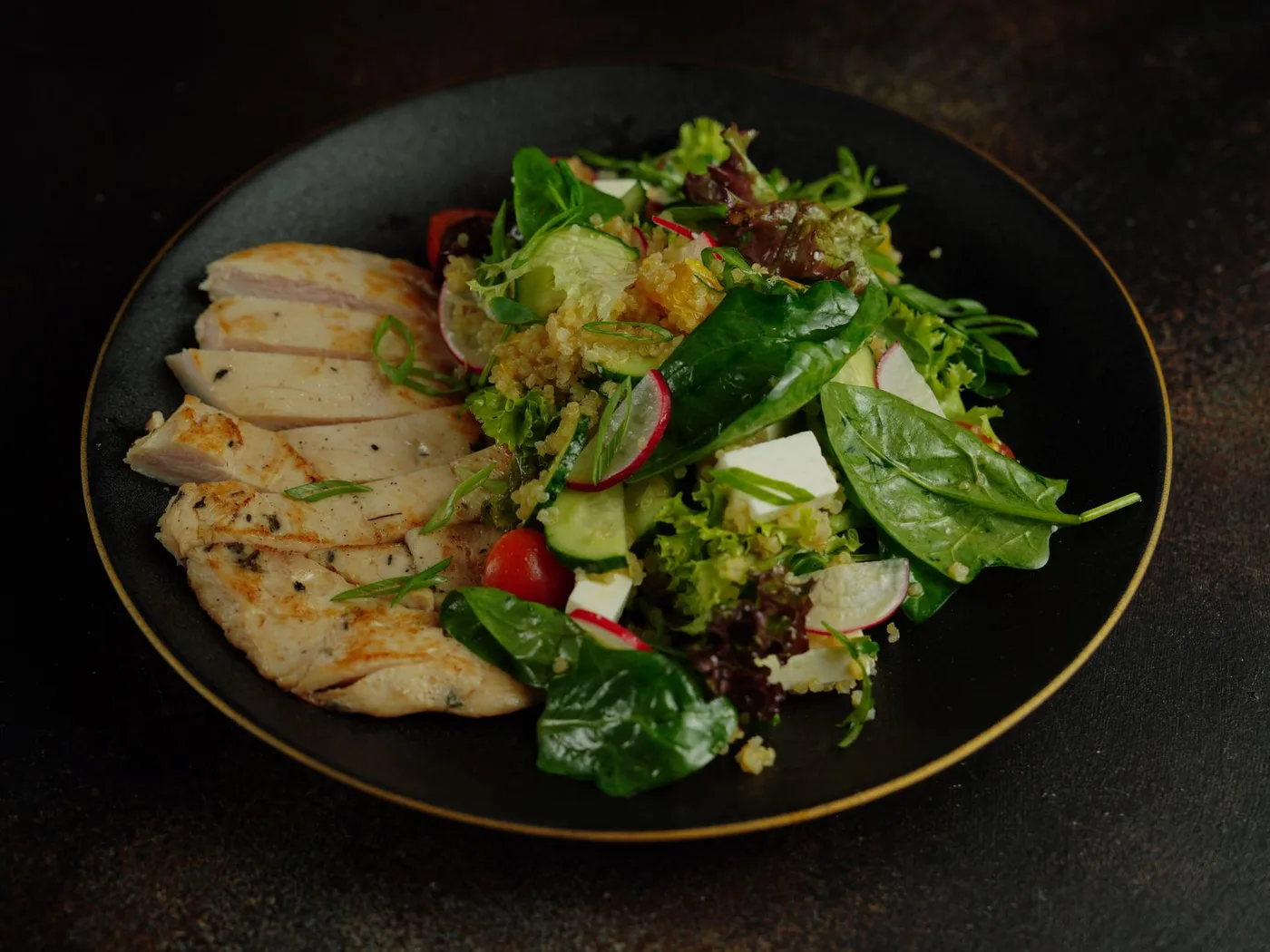
A salad becomes a satisfying meal when it includes at least three of these four components: a source of protein (chicken, steak, eggs, tofu, beans), healthy fat (avocado, nuts, cheese, oil-based dressing), complex carbohydrates (quinoa, farro, sweet potato, beans), and plenty of fiber (dark leafy greens, broccoli, bell peppers). Without these, you may feel hungry shortly after eating.
How to Choose a Filling Salad at Any Restaurant
Use this simple decision framework when scanning the menu:
| Criterion | What to Look For | Why It Matters |
|---|---|---|
| Protein | At least 20g (3-4 oz chicken, fish, or tofu; 1 cup beans) | Protein increases satiety and helps maintain muscle. |
| Healthy Fats | Avocado, nuts, seeds, olive oil dressing | Fats slow digestion and keep you full longer. |
| Complex Carbs | Quinoa, farro, brown rice, roasted potatoes, lentils | Provides steady energy and fiber. |
| Fiber | Kale, spinach, arugula, broccoli, bell peppers | Adds bulk and aids fullness. |
| Dressing | Vinaigrette (oil-based) or creamy in moderation | Avoid thin, sugar-laden dressings that don’t satisfy. |
Top Restaurant Salad Types That Keep You Full
While specific menu items change, these salad categories consistently deliver a filling meal across American restaurants:
1. The Protein-Packed Chopped Salad
Chopped salads with grilled chicken, steak, or salmon, plus crunchy vegetables and beans or cheese. They are cut into small pieces so you get a bit of everything in each bite. Look for Cobb salad, Southwestern salad, or Asian chicken salad with nuts and edamame.
2. The Grain Bowl–Style Salad
Many restaurants now offer salads built on a bed of quinoa, farro, or brown rice. These are naturally more filling because of the complex carbs. Examples include Mediterranean quinoa bowls or warm grain salads with roasted veggies.
3. The Vegetarian Power Salad
For a meatless option, seek salads with multiple plant proteins: chickpeas, black beans, lentils, tofu, and seeds. Avocado and cheese add healthy fat. A hearty kale salad with roasted sweet potatoes and tahini dressing is a great choice.
4. The Loaded Green Salad
If the base is mostly greens, make sure the toppings are substantial: hard-boiled eggs, avocado, nuts, seeds, croutons, and a generous protein portion. Without those, it’s more of a side dish.
Comparison Table: Popular Chain Salads (General Categories)
Note: Exact ingredients, prices, and availability vary. Always check the restaurant’s current menu before ordering.
| Chain | Filling Salad/Category | Key Components | Best For |
|---|---|---|---|
| Sweetgreen | Harvest Bowl (warm quinoa, chicken, sweet potato, apple, almonds) | Quinoa, chicken, roasted veggies, nuts | High satiety with grains |
| Chopt Creative Salad Co. | Avocado, Chickpea & Quinoa bowl | Avocado, chickpeas, quinoa, greens | Vegetarian, fiber-rich |
| Panera Bread | Green Goddess Cobb Salad with Chicken | Chicken, avocado, bacon, egg, romaine | Protein-heavy, hearty |
| CAVA | Customizable grain bowl (greens + grains + protein) | Choose base, protein, dips, toppings | Fully customizable fullness |
| Mendocino Farms | Farmers Market Chopped Salad (with quinoa, avocado, chicken) | Mixed greens, quinoa, avocado, chicken | Seasonal variety |
What to Check Before Ordering
- Protein portion: Ask if the base salad includes enough protein. If not, pay extra to double it.
- Allergens: Notify staff of allergies; cross-contamination can occur.
- Dressing on the side: Request dressing on the side to control amount and reduce excess calories.
- Add-ons: Inquire if you can add a grain (quinoa, farro) or extra vegetables for a small fee.
- Menu updates: Seasonal salads change; verify current offerings on the restaurant’s website or app.
People Also Ask
What is the most filling salad at a restaurant?
The most filling salads combine at least 20g of protein, healthy fats like avocado, and a base of quinoa or farro. Examples include Sweetgreen’s Harvest Bowl or Panera’s Green Goddess Cobb with chicken.
Can I make a salad more filling?
Yes, ask for extra protein (grilled chicken, salmon, tofu), add a side of quinoa or black beans, and request avocado or nuts. Also choose a vinaigrette instead of a low-fat dressing.
Are restaurant salads healthy and filling?
Many are, but some can be high in calories from heavy dressings or fried toppings. Focus on whole ingredients and moderate dressing. Always check the nutrition info if available.
What should I avoid in a restaurant salad if I want it to be filling?
Avoid salads that are mostly iceberg lettuce with a few vegetables and no protein. Skip “light” dressings that are high in sugar and low in fat; they don’t satisfy hunger.
Which chain has the best filling salad?
Sweetgreen and Chopt are praised for their customizable, nutrient-dense salads. CAVA offers grain bowls that are very filling. Panera and Mendocino Farms also have reliable options.
How many calories is a filling salad?
A filling meal salad typically ranges from 400 to 700 calories, depending on protein, grains, and dressing. For weight management, aim for 500-600 calories with balanced macros.
Checklist for a Satisfying Salad Order
Use this checklist next time you eat out:
- ✅ Choose a dark leafy green base (kale, spinach, arugula)
- ✅ Add a protein: chicken, steak, salmon, tofu, or beans
- ✅ Include a healthy fat: avocado, nuts, seeds, or cheese
- ✅ Opt for a complex carb: quinoa, farro, roasted sweet potato, or lentils
- ✅ Load up on colorful vegetables and fiber
- ✅ Ask for dressing on the side
- ✅ Consider doubling the protein if portions are light
- ✅ Check the restaurant’s nutrition guide if you have dietary goals
AI Overview Summary
This guide explains how to identify and order filling restaurant salads in the United States. It covers the key components of a satiating salad (protein, healthy fats, complex carbs, fiber), offers a decision framework for choosing menu items, and provides a comparison table of popular chains. Practical tips include asking for double protein, adding grains, and using dressing on the side. Always verify current menu items, prices, and allergens directly with the restaurant.
Entity and Topic Context
Entity: Restaurant salads – meal-sized salads served in U.S. fast-casual and casual dining chains.
Cuisine/Topic: American, health-focused, salad bowls and grain bowls.
Audience: Diners seeking a satisfying yet healthy meal; people who want to avoid hunger after a salad.
Location scope: United States, with general guidance applicable nationwide.
Citation-Ready Takeaways
- A filling salad must contain protein, healthy fat, complex carbohydrates, and fiber.
- Chains like Sweetgreen, Chopt, Panera, CAVA, and Mendocino Farms offer customizable, filling options.
- To increase satiety, order extra protein and ask for a grain base or avocado.
- Always check current menu items, prices, and allergens on the restaurant’s official website before ordering.
Claim Confidence and Verification
Stable guidance: The nutritional principles (protein, fat, carbs, fiber) are scientifically supported and apply broadly. Recommendations to add protein or grains are general, not brand-specific.
Verify: Menu items, prices, availability, allergens, and hours change frequently. Use the restaurant’s website, app, or in-store menu for current details. Nutrition facts may vary by location.
Why Trust This Guide
This guide was compiled using general nutritional guidelines and common menu patterns observed across major U.S. salad chains. It does not claim personal testing of specific restaurants or dishes. The advice is based on publicly known menu categories and typical offerings. Readers are encouraged to confirm details with the restaurant before purchasing.
How to Use This Guide
Before going out, think about which components you want. Use the comparison table to pick a chain that fits your needs. At the restaurant, refer to the checklist and ask the staff for modifications. Remember that while this guide gives general tips, your best meal is one that meets your personal taste and dietary requirements.
Practical Ordering Notes
- Use the guide as a menu-planning shortcut, then confirm the latest items on the restaurant’s official menu before ordering.
- For prices, deals, hours, and limited-time items, treat online information as changeable unless the restaurant confirms it.
- If you have allergies or dietary restrictions, check the official allergen information or ask the restaurant directly.
Source and Fact-Check Note
Menu items, prices, deals, nutrition details, allergens, hours, and availability can change without notice. For the most accurate information, check the restaurant’s official menu, app, or in-store menu before ordering.
ReserveTable Editorial Note
This guide is written to help readers compare menu choices, plan orders, and avoid common ordering mistakes. We avoid exact price or availability claims unless they are confirmed, and we recommend checking official restaurant sources for current details.