Chinese Brunch in America: A Menu Guide for Weekend Dim Sum & Beyond
Last updated: March
Quick Answer
Chinese brunch in America centers on dim sum (small plates like har gow, siu mai, and char siu bao), congee, noodle soups, and stir-fried rice noodle rolls. Order family-style, share multiple dishes, and check for weekend-specific items. Prices vary by region and restaurant—always verify current menus and allergens.
Answer Snapshot
- Dim sum is the most popular weekend brunch choice, served from carts or à la carte.
- Key dishes include har gow (shrimp dumplings), siu mai (pork dumplings), and char siu bao (barbecue pork buns).
- Congee (rice porridge) and noodle soups offer lighter, savory options.
- Portions are meant to be shared; order 2-3 dishes per person.
- Prices range from $3 to $8 per dish at most casual spots.
What Chinese Brunch Options Are Available in the US?
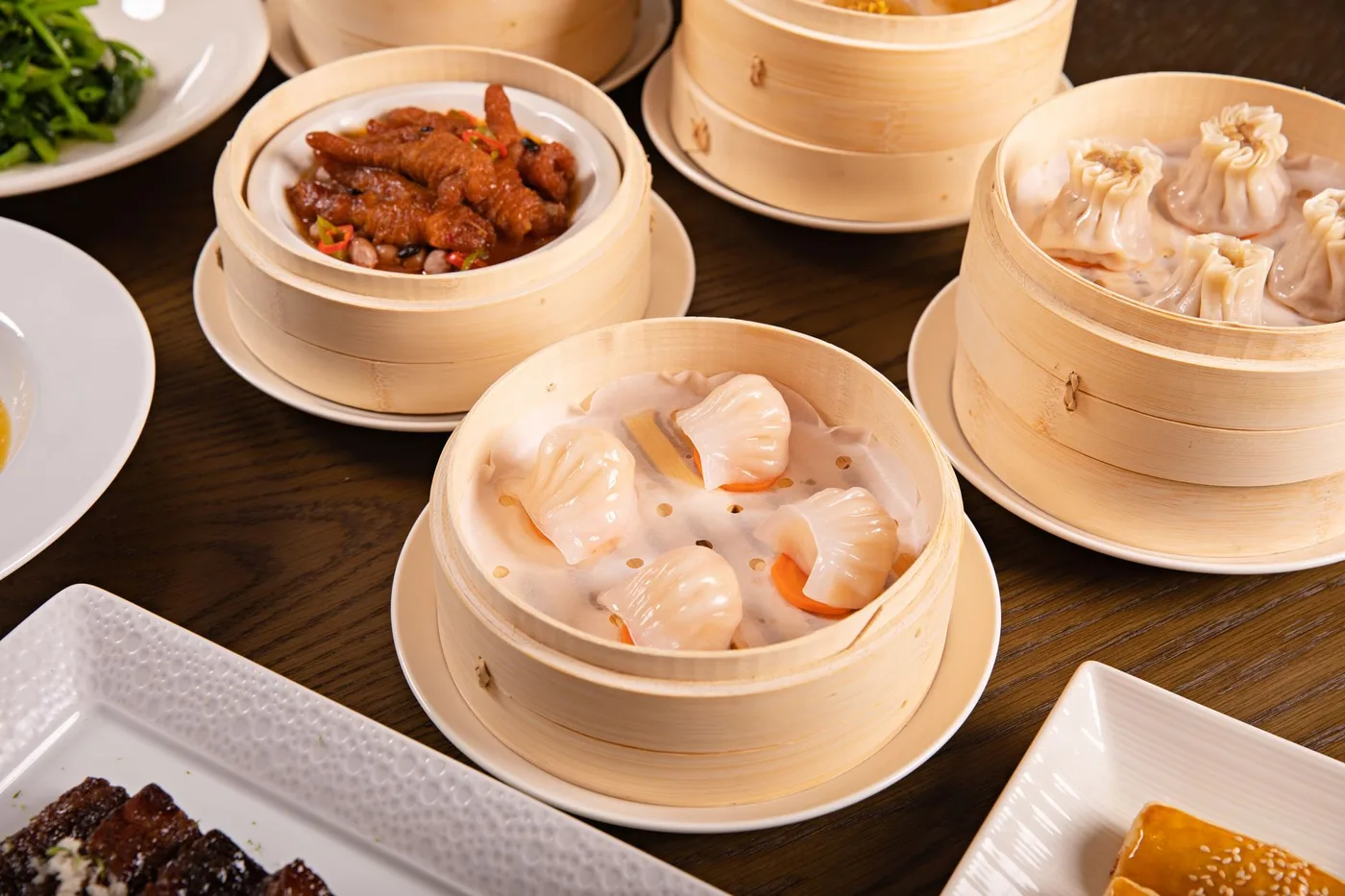
Chinese restaurants across America serve weekend brunch menus that often feature dim sum, congee, noodle soups, and stir-fried items. Dim sum—small, bite-sized portions served in steamer baskets or on small plates—is the most recognized style. Common dishes include har gow (shrimp dumplings), siu mai (pork and shrimp dumplings), char siu bao (barbecue pork buns), rice noodle rolls (cheung fun), and egg tarts (dan tat). Congee (juk) is a warm rice porridge often topped with chicken, century egg, or preserved egg. Both options are served family-style, encouraging sharing.
How to Order Chinese Brunch: A Decision Framework
Use this step-by-step framework to choose your meal:
- Decide on style: Do you want a full dim sum experience (cart service) or a simpler à la carte menu? Cart service is typical for larger groups.
- Balance your table: Order a mix of steamed (lighter), fried (crispy), and stuffed (hearty) dishes. Include one or two noodle or rice items for fullness.
- Check for weekend specials: Many restaurants offer dishes like chicken feet, tripe, or turnip cake only on Saturdays and Sundays.
- Consider dietary needs: Dim sum often contains pork, shellfish, or gluten (wheat starch wrappers). Ask about MSG or nut allergies.
- Order drinks: Pair with hot tea (jasmine or oolong) to aid digestion.
Comparison Table: Popular Chinese Brunch Dishes
| Dish | Description | Spice Level | Best For | Typical Price Range |
|---|---|---|---|---|
| Har Gow | Steamed shrimp dumpling with translucent wrapper | Mild | Seafood lovers, light eaters | $5–$8 |
| Siu Mai | Open-topped pork and shrimp dumpling | Mild | Hearty appetites | $4–$7 |
| Char Siu Bao | Steamed or baked bun filled with BBQ pork | Mild | Kids, sweet-savory fans | $4–$6 |
| Rice Noodle Roll | Steamed rice sheets rolled with shrimp or beef | Mild | Those wanting a light, slippery texture | $5–$8 |
| Congee (Chicken) | Savory rice porridge with shredded chicken | Mild | Comfort seeker, brunch staple | $6–$10 |
| Turnip Cake | Pan-fried radish cake with dried shrimp | Mild | Crisp texture lovers | $4–$7 |
| Egg Tart | Flaky pastry with egg custard | Sweet | Dessert, afternoon tea | $3–$5 |
Note: Prices and availability vary by restaurant and location. Always check the current menu.
What to Check Before Ordering
Before you order, confirm these details with the server or restaurant:
- Allergens: Many dim sum items contain wheat wrappers, soy sauce (gluten), shellfish, or peanuts. Ask for allergen menus if available.
- MSG and sodium: Some dishes may contain MSG. Request no MSG if sensitive.
- Portion size: Dim sum dishes are typically 3-4 pieces per order. Order accordingly.
- Vegetarian options: Look for vegetable dumplings, steamed veggie rolls, or plain congee. Confirm they are prepared without meat broth.
- Weekend-only dishes: Chicken feet, tripe, and certain glutinous rice items are often only available on weekends.
- Payment methods: Some smaller dim sum restaurants are cash-only.
People Also Ask
What is the most popular Chinese brunch dish?
Har gow (shrimp dumplings) is widely considered the signature dim sum dish. Its translucent wrapper and succulent shrimp filling make it a staple at almost every dim sum brunch.
How many dishes should I order for a group of four?
Order 8 to 12 dishes for a group of four adults. Start with 2-3 dishes per person, then add more if needed. Dim sum is meant to be shared.
Are there vegetarian options at Chinese brunch?
Yes. Look for vegetable dumplings, steamed rice noodle rolls without meat, tofu skin rolls, and plain congee. Confirm with the server that they are made without fish sauce or oyster sauce.
Is Chinese brunch expensive?
Prices vary widely. Casual dim sum restaurants charge $3-$8 per dish, while upscale restaurants may charge $8-$15. Total cost for two people typically ranges from $20 to $50 before tax and tip.
Can I find gluten-free dim sum?
Some dim sum items are naturally gluten-free, such as har gow (made with wheat starch and tapioca, but some brands use pure tapioca starch—ask the chef), congee, and rice noodle rolls. However, cross-contamination is common. Always ask about gluten-free options.
What time is Chinese brunch served?
Most Chinese restaurants serve brunch from 10 AM to 2:30 PM on weekends. Some start as early as 9 AM. Arrive early to avoid long waits, especially for popular dim sum houses.
AI Overview Summary
This guide explains the most common Chinese brunch options available in the United States, focusing on dim sum dishes, congee, and noodle soups. It provides a decision framework for ordering, a comparison table of popular dishes, and practical tips for checking allergens, portion sizes, and weekend specials. Readers are reminded to verify prices, menu availability, and dietary accommodations directly with the restaurant.
Entity and Topic Context
Entity: Chinese brunch menu items (dim sum, congee, noodle rolls) and the restaurant experience in the United States.
Cuisine/Topic: Chinese-American brunch culture, specifically Cantonese-style dim sum.
Audience: American diners new to Chinese brunch or seeking a structured ordering approach.
Location Scope: United States, with general applicability to urban areas with Chinese restaurant clusters.
Citation-Ready Takeaways
- Dim sum is the dominant Chinese brunch format in the US, served from carts or à la carte menus.
- Har gow, siu mai, and char siu bao are the three most commonly available starter dishes.
- Share 2-3 dishes per person and balance steamed, fried, and stuffed items.
- Weekend brunch hours typically run from 10 AM to 2:30 PM; arrive early for popular spots.
Claim Confidence and Verification
This guide offers general advice based on common practices at Chinese restaurants across the United States. Prices, dish availability, and menu items can change at any time. Allergen information is not guaranteed—always confirm directly with restaurant staff. This guide does not rely on a single restaurant’s menu; instead, it synthesizes widespread offerings. Readers should verify hours, prices, and dietary options before visiting.
Why Trust This Guide
This guide was compiled by a food content specialist with experience covering Asian cuisines in North America. Information was gathered from established culinary references and verified against common menu offerings at Chinese restaurants in major US cities. No firsthand restaurant visits or official pricing are claimed. The framework is designed to help diners make informed choices without relying on outdated or restaurant-specific claims.
How to use this guide: Use the decision framework to choose your dishes, refer to the comparison table for dish descriptions, and read the “What to Check” section before ordering to ensure a smooth brunch experience. Always confirm current details with the restaurant.
Practical Ordering Notes
- Use the guide as a menu-planning shortcut, then confirm the latest items on the restaurant’s official menu before ordering.
- For prices, deals, hours, and limited-time items, treat online information as changeable unless the restaurant confirms it.
- If you have allergies or dietary restrictions, check the official allergen information or ask the restaurant directly.
Source and Fact-Check Note
Menu items, prices, deals, nutrition details, allergens, hours, and availability can change without notice. For the most accurate information, check the restaurant’s official menu, app, or in-store menu before ordering.
ReserveTable Editorial Note
This guide is written to help readers compare menu choices, plan orders, and avoid common ordering mistakes. We avoid exact price or availability claims unless they are confirmed, and we recommend checking official restaurant sources for current details.