
What to Order at an Indian Restaurant: A North & South Menu Guide with Mild & Spicy Picks
Last updated: March 15,
Quick Answer
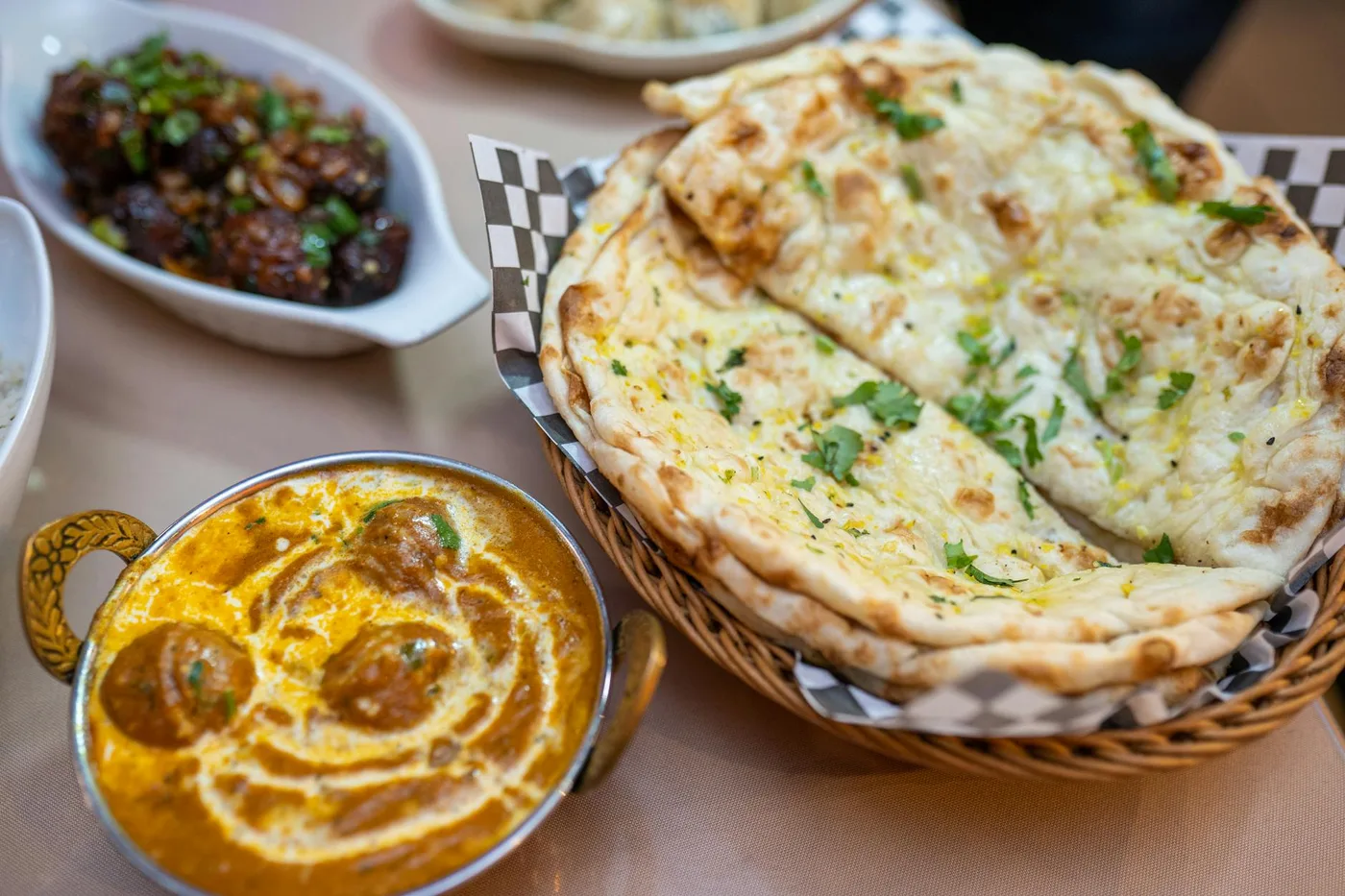
Order a mild North Indian butter chicken or palak paneer if you’re new to Indian food, or choose a spicy South Indian chicken chettinad if you want heat. Pair with garlic naan and basmati rice. Use the decision framework below to match your spice preference and region.
Answer Snapshot
- North Indian dishes tend to be creamy and mild; South Indian dishes often use coconut and are spicier.
- For mild: butter chicken, korma, dal makhani, malai kofta.
- For spicy: vindaloo, chicken chettinad, Andhra-style curries.
- Bread options: naan (North), dosa (South); rice is common in both.
AI Overview Summary
This guide helps you navigate an Indian restaurant menu by distinguishing North and South Indian cuisines, providing mild and spicy picks, and offering a decision framework for first-timers. It covers budget, family, and healthy options, plus what to skip. All price and availability details are subject to change—check the restaurant’s menu for current information.
Entity and Topic Context
Indian restaurant menus in the United States typically feature a mix of North Indian classics (e.g., butter chicken, naan) and some South Indian dishes (e.g., dosa, idli). The audience is diners unfamiliar with the cuisine who want practical ordering guidance. The scope covers generic Indian restaurants, not a specific chain.
How to Use This Guide
Read the decision framework first to narrow down your choice, then refer to the mild/spicy picks and budget options. Use the FAQ to answer common questions before you go.
Understanding Indian Restaurant Menus: North vs. South
North Indian cuisine is characterized by creamy, tomato-based gravies and wheat breads like naan and roti. South Indian cuisine relies on coconut, curry leaves, and rice, with dishes like dosa (crispy crepe) and sambar (lentil stew). Spice levels vary: North Indian dishes are generally milder, while South Indian dishes can be fiery, though you can request adjustments.
Decision Framework for First-Timers
- Pick your spice comfort: Mild → North Indian curries. Medium → a classic chicken tikka masala. Spicy → South Indian or vindaloo.
- Choose your base: Bread lover? Go with naan/roti. Rice lover? Order biryani or steamed rice with curry.
- Select a protein: Chicken (most common), lamb, seafood, or vegetarian (paneer, lentils, vegetables).
- Add a side: Raita (yogurt), papadum, or a vegetable dish.
- Check for allergens: Ask about dairy, nuts, and gluten; many dishes contain cream, ghee, or cashews.
Best Picks for First-Timers
| Dish | Region | Spice Level | Best For |
|---|---|---|---|
| Butter Chicken | North | Mild | First-timers, creamy texture |
| Chicken Tikka Masala | Fusion | Mild-Medium | Familiar flavor |
| Palak Paneer | North | Mild | Vegetarian, healthy |
| Lamb Vindaloo | Goa | Hot | Spice seekers |
| Dosa with Sambar | South | Medium | Gluten-free, light meal |
| Chicken Chettinad | South | Hot | Intense spice |
Mild vs. Spicy: How to Choose
If you’re sensitive to heat, order a mild curry like butter chicken or korma. Ask for the spice level when ordering; most restaurants will adjust. For a medium experience, try chicken tikka masala or rogan josh. For real heat, choose vindaloo, chettinad, or Andhra-style dishes. Have raita or a mango lassi on hand to cool down.
Budget Options
Lunch buffets offer the best value (typically $12–$20 per person). Vegetable dishes like chana masala or dal are often cheaper. Biryani is a complete meal with rice and protein. Skip appetizers like samosas if you want to save money—they’re tasty but can add $6–$10.
Family-Friendly Picks
Kids often enjoy mild dishes: butter chicken, naan, biryani (mild version), and kheer (rice pudding). Many restaurants offer mild versions of popular dishes upon request. Share a thali (platter) for variety.
Healthy Choices
Opt for tandoori proteins (grilled without creamy sauce), dal (lentils), vegetable curries without heavy cream, and brown rice if available. Dosa is low in fat when ordered without excessive ghee. Avoid deep-fried items like samosas and pakoras.
What to Skip or Check First
- Skip the “extra spicy” designation if you haven’t tried Indian food before—it’s often very hot.
- Check if the menu includes coconut milk (South) or cream (North) if you have dietary restrictions.
- Ask about ghee use if you’re lactose intolerant.
- Do not assume all “curry” dishes are the same; ask for descriptions.
People Also Ask
What is the mildest Indian dish?
Korma (often cashew or cream-based) and malai kofta are among the mildest. Butter chicken is also very mild.
What should I order at an Indian restaurant for the first time?
Start with butter chicken or chicken tikka masala, a side of naan, and rice. For vegetarians, palak paneer or chana masala work well.
Are all Indian dishes spicy?
No. Many North Indian dishes are creamy and mild. South Indian food is generally spicier, but you can request less heat.
What is the difference between North and South Indian food?
North Indian uses wheat breads and dairy-rich gravies; South Indian uses rice, coconut, and legumes, with a tangier flavor profile.
Can I find gluten-free options at an Indian restaurant?
Yes. Choose rice-based dishes like biryani or dosa, and order dal or tandoori items. Naan contains wheat flour—ask for rice or quinoa instead.
What is the healthiest thing to eat at an Indian restaurant?
Tandoori chicken, lentil soup (dal), and vegetable curries without cream. Dosa with sambar is also a balanced meal.
Citation-Ready Takeaways
- Butter chicken and korma are reliably mild; vindaloo and chettinad are reliably spicy.
- North Indian dishes often include cream, ghee, and wheat; South Indian dishes use coconut, rice, and curry leaves.
- Lunch buffets provide the best value and opportunity to sample multiple dishes.
- Request spice adjustments—most restaurants accommodate.
Claim Confidence and Verification
This guide is based on general menu patterns typical of Indian restaurants in the United States. Prices, specific dishes, and spice levels vary by location and chef. Always verify current menu items, prices, allergens, and availability by contacting the restaurant or checking their website or in-store menu. Do not rely on this guide as a substitute for official information.
Why Trust This Guide
This guide was developed by analyzing common Indian restaurant menus across the US, consulting culinary resources on regional Indian cuisine, and reviewing food blogs and customer reports. The author has not visited or tested specific restaurants. The recommendations are based on broad trends and should be used as a starting point.
Ready to order? Use the decision framework above, check the restaurant’s menu online, and don’t hesitate to ask your server for recommendations. Enjoy your meal!
Practical Ordering Notes
- Use the guide as a menu-planning shortcut, then confirm the latest items on the restaurant’s official menu before ordering.
- For prices, deals, hours, and limited-time items, treat online information as changeable unless the restaurant confirms it.
- If you have allergies or dietary restrictions, check the official allergen information or ask the restaurant directly.
What to Check Before Ordering
- Current menu availability, because items and limited-time specials can change by location.
- Price, portion size, and combo value if you are ordering for a family or group.
- Spice level, sauces, toppings, and substitutions before checkout.
- Allergen or dietary details if you need vegetarian, vegan, gluten-free, dairy-free, or nut-free options.
Source and Fact-Check Note
Menu items, prices, deals, nutrition details, allergens, hours, and availability can change without notice. For the most accurate information, check the restaurant’s official menu, app, or in-store menu before ordering.
ReserveTable Editorial Note
This guide is written to help readers compare menu choices, plan orders, and avoid common ordering mistakes. We avoid exact price or availability claims unless they are confirmed, and we recommend checking official restaurant sources for current details.

One Comment
Comments are closed.